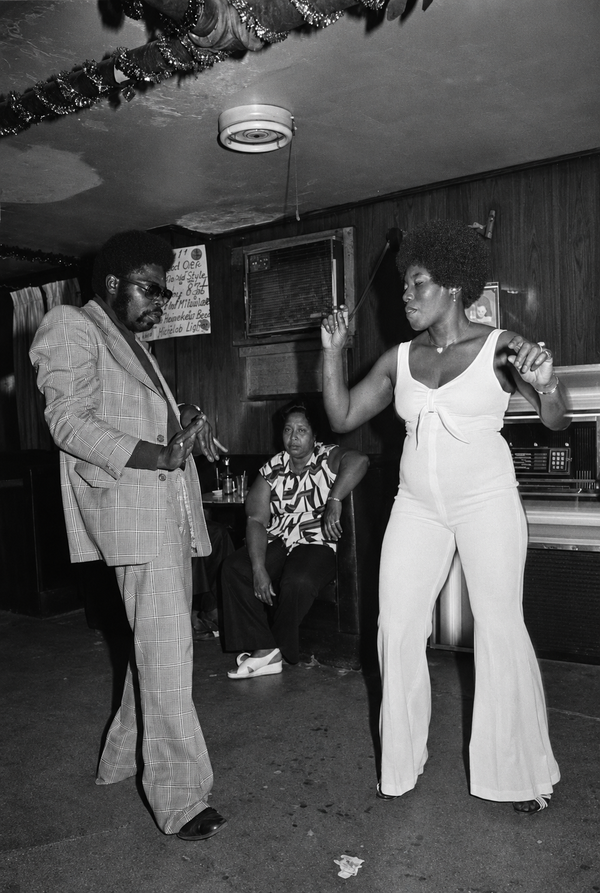
What Did I Actually Make?
What Did I Actually Make? I took one old photograph and built a world around it. I found an old black-and-white photograph online of two people dancing. I don't know who they are. I don't know who took it. I don't know
What Did I Actually Make? I took one old photograph and built a world around it. I found an old black-and-white photograph online of two people dancing. I don't know who they are. I don't know who took it. I don't know
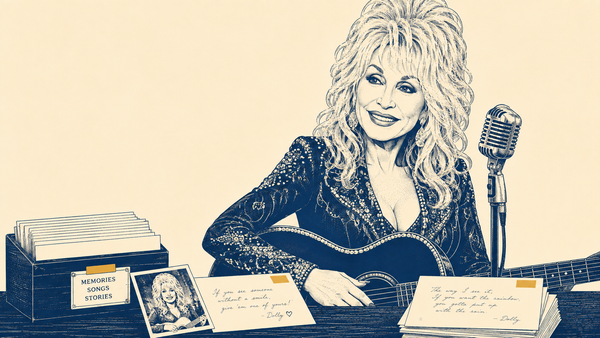
Yesterday, Dolly Parton died, and among all the stories now circulating about the songs, the wigs, Dollywood, the Imagination Library, the sheer scale of the woman, I keep coming back to something much smaller. Two days before she died, in one of her last interviews, she mentioned she'd
I am writing this with a Donny Hathaway album playing from a folder I downloaded over Soulseek six years ago. The album is fifty-three years old. The folder lives a few clicks away from recordings I made of my own voice last month, and a few clicks from Amy
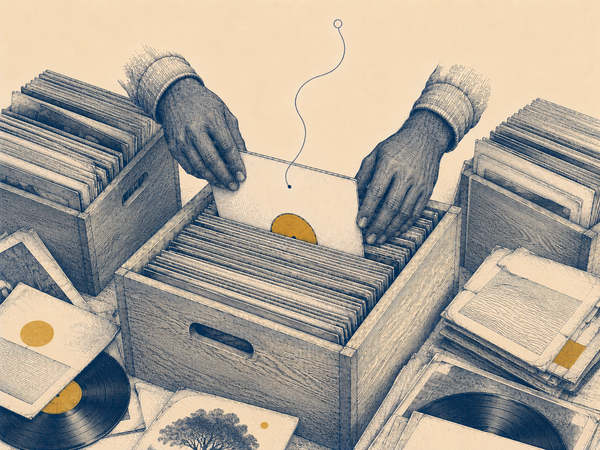
I was eleven or twelve when I found Donny Hathaway and Billy Paul in my parents' vinyl collection. I did not understand, at the time, that I had stumbled into one of the most powerful traditions in Black music. I just knew the voices were doing something to me.
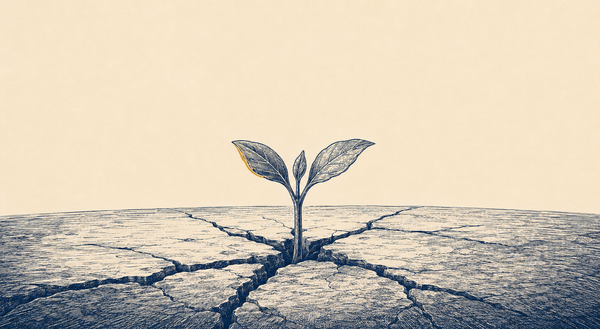
Both of my parents were adopted. Both are Black American, and like so many African Americans, neither knew the full story of where their family came from. The slave trade didn't just separate people from their families. It deliberately severed entire communities from their cultural memory, their languages,
Most conversations about AI in the cultural sector treat all AI tools as a single category. They aren't. The most important distinction isn't between good AI and bad AI. It's between tools that work with material that already exists and tools that produce new
Lately, whenever I see AI mentioned online, the reaction is immediate. Distrust. Fatigue. Irritation. Someone posts a photograph and the comments fill with accusations of fakery. An illustration appears and people recoil before they even know how it was made. A company announces a new AI feature and the response
For weeks I'd been telling people what MNEME does. Ethical AI for cultural heritage organisations. Approved material only. Source grounding in every response. Human review at every stage. The phrases sit well in a deck. The gap between saying it and showing it kept getting larger. So I
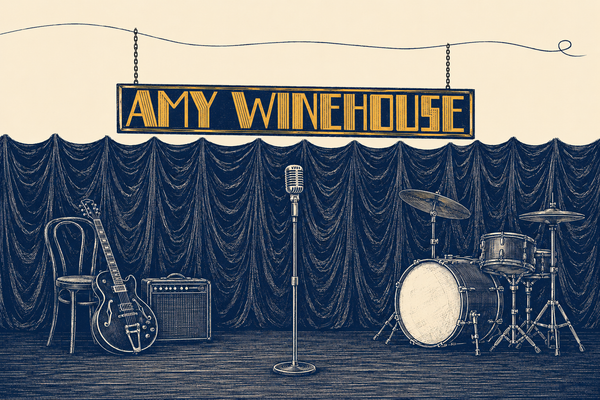
I found the video by accident. Someone had made an AI-generated Amy Winehouse Tiny Desk concert, the stripped-down NPR format where artists sit in a small office and play like they're performing for friends. No stage. No production. Just the music and whoever's in
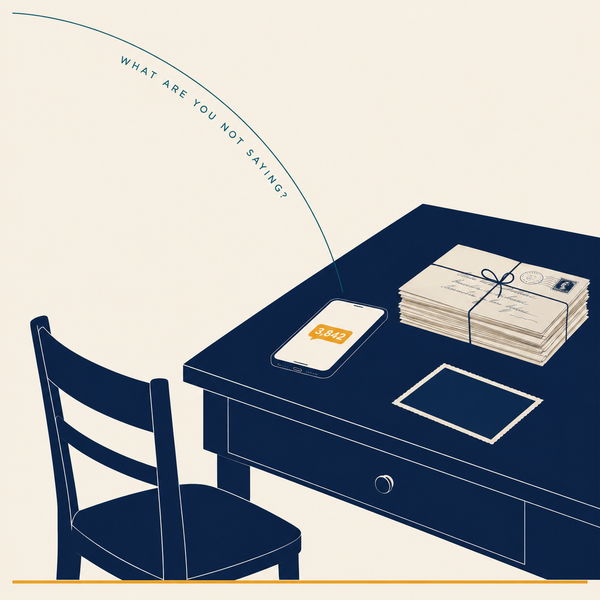
By Lyndon Amoah | MNEME Studios Somewhere, right now, there is a phone that belongs to someone who is no longer alive. It has 4,200 photographs on it. Voice notes. A WhatsApp thread with a sibling that ends mid-sentence. A playlist titled something ordinary, like "morning" or

By Lyndon Amoah | MNEME Studios On 1 May 2025, a dead man walked into an Arizona courtroom. Not literally. But close enough that the family wept, and the killer sat in silence watching a screen. Christopher Pelkey, shot dead in a road rage incident in Chandler, Arizona in 2021, delivered
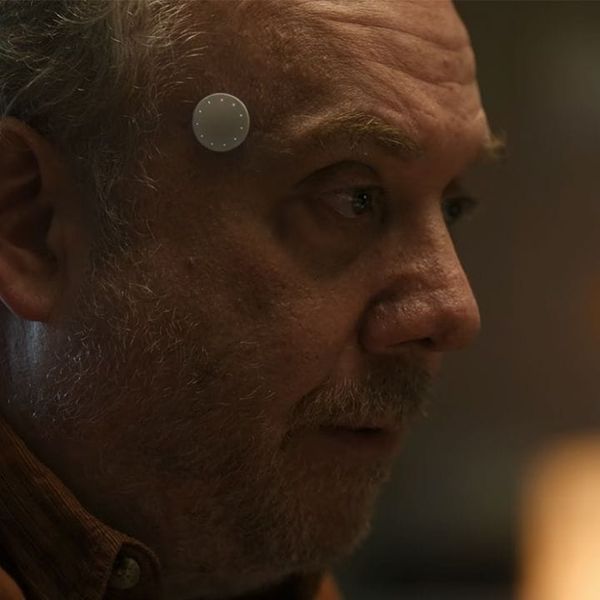
A few nights ago I read an article about AI systems that can detect emotion in a person’s voice; not just the words, but the tremor behind them. It could tell when someone was about to cry, when they were masking irritation with laughter, when silence meant more than
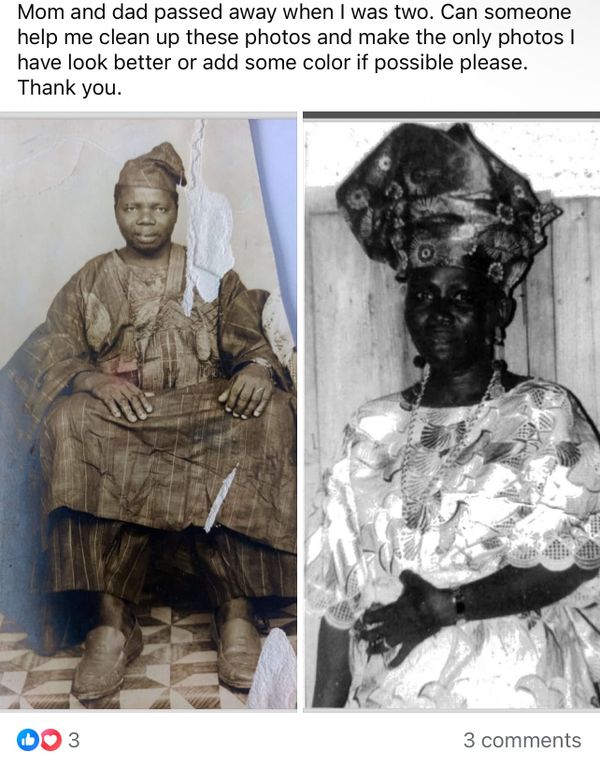
I’ve been restoring images of people’s loved ones for about three years now, and still - the power of these moments never stops moving me. What began as quiet curiosity became a calling. I recognised early on that AI could help us tend to memory—not just as data,
In Florida, over 700 books were removed from school libraries during the 2023–24 school year. Among them: Toni Morrison’s The Bluest Eye, Kurt Vonnegut’s Slaughterhouse-Five, and even children’s books about Rosa Parks and Martin Luther King Jr. Toni Morrison’s Beloved has been repeatedly challenged
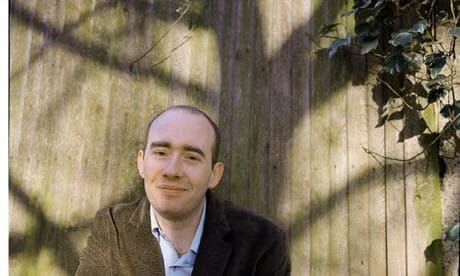
Some mornings, Facebook reminds me that my friend Tim is still here. Not in body, he passed away in 2009 — but in the strange, flickering afterglow of social media’s memory machine. His name rises in my feed like a breath I didn’t know I was holding. “Tim Guest’
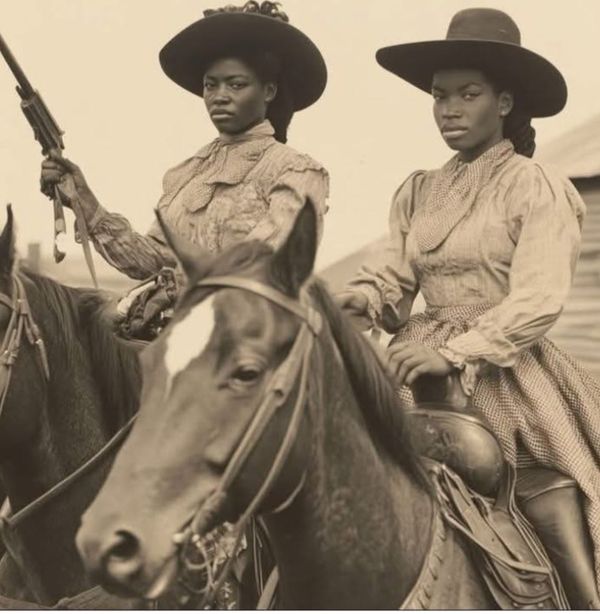
The Future of History By Lyndon (MemoryTech Blog) I was scrolling late one night — that kind of half-attentive scroll where your thumb’s moving but your mind’s somewhere else — when an image made me stop. A group of Black women, strong and stoic, stood in cowboy boots with
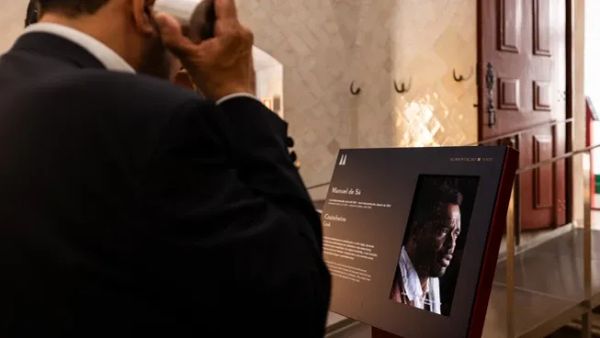
Last week, I slipped through the moss-clad corridors of the National Palace of Sintra and stumbled on something quietly electrifying: small, almost hidden audio kiosks beside frescoed doorways. You lean in, press a little speaker to your ear, and an actor—portraying a cook, a maid, a coachman—whispers
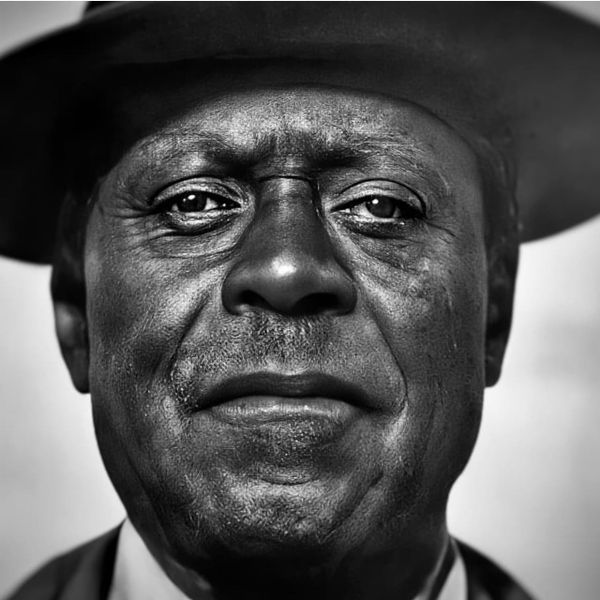
Can AI Mourn With Us? Notes on Grief, Memory, and Machine Intimacy There’s a strange intimacy in the way machines remember. Not quite touch. Not quite presence. More like a whisper in a room no one else is in. A kind of flicker — uncanny, weightless, reaching toward something that
Welcome in. This is my first blog post, so it feels only right to start with a subject that’s equal parts thrilling and thorny: what happens when cultural institutions — our museums, libraries, galleries, and archives — start inviting AI into the fold? We’re in a moment where artificial intelligence

News
This is MemoryTech, a brand new site by Lyndon Amoah that's just getting started. Things will be up and running here shortly, but you can subscribe in the meantime if you'd like to stay up to date and receive emails when new content is published!