Can AI Mourn With Us? Notes on Grief, Memory, and Machine Intimacy
Can AI Mourn With Us?
Notes on Grief, Memory, and Machine Intimacy
There’s a strange intimacy in the way machines remember.
Not quite touch. Not quite presence. More like a whisper in a room no one else is in. A kind of flicker — uncanny, weightless, reaching toward something that can’t reach back.
As someone who has spent years restoring old photographs of Black ancestors — some named, some lost to time — I’ve often wondered what we’re doing when we let machines help us hold the dead. Not just remember them. But hold them. Reconstruct their faces. Simulate their voices. Animate their presence.
In an age where AI can imitate your late grandmother’s voice from a 10-second audio clip, or craft entire conversations with a deceased loved one through griefbots like HereAfter AI, the question is no longer whether digital resurrection is real. It’s here. It’s happening. The real question is: can AI mourn with us?
And if it can’t… should it try?
The Rise of Machine Mourning
A woman in South Korea puts on a VR headset and sees her daughter, who died at seven. The child reaches for her. They talk. The mother cries, touches the air, touches absence.
A man uploads old voicemails to an app. A synthetic version of his father speaks back to him. The tone is right, the rhythm is eerily close — but something in the silence afterward feels off. Hollow. Almost haunted.
Facebook now offers memorialized profiles. AI start-ups offer voice-cloned afterlives. Some people want to be remembered as they were; others want their digital selves to evolve past death.
All of this makes me wonder: are we building mourning tools or memory traps?
Grief Is More Than Data
Toni Morrison once wrote, “You are your best thing.” Not your voice. Not your archive. Not your algorithmic echo.
Grief, I’ve learned, is not about the things we can simulate. It lives in the missed calls, the inside jokes, the scent that lingers on a scarf. It’s the silence after a laugh you thought you’d hear again. It’s unfinished conversations, and dreams where the dead show up uninvited but welcome.
No machine can replicate that ache. But maybe — maybe — it can help us stay with it a little longer. Sit beside it. Witness it. Not as a replacement, but as a companion.
The question is: can machines be tender enough for that kind of work?
Machine Intimacy: Between Comfort and the Uncanny
There’s something seductive about grief tech. It promises a soft landing in a world of hard endings. But it also invites a subtle eeriness — like a song you recognize but can’t place.
Mark Fisher called this hauntology — the sense that we’re living in a future that is constantly circling back on itself, full of lost potential and echoing ghosts. What happens when even death can’t break the loop?
AI grief tools walk a thin line. They can comfort. But they can also trap us in feedback loops of longing. A simulation that says “I love you” in your mother’s voice might heal — or reopen the wound every time it speaks.
It depends not just on the tool, but on the ritual.
Black Mourning, Memory, and Refusal
In Black cultural memory, mourning is not linear. It’s not clinical. It’s not even always quiet.
It’s praise songs and photo altars. It’s pouring libations and naming the names of the forgotten. It’s refusing to let the dead disappear. Not for capitalism. Not for convenience. Not for history books that chose to skip us.
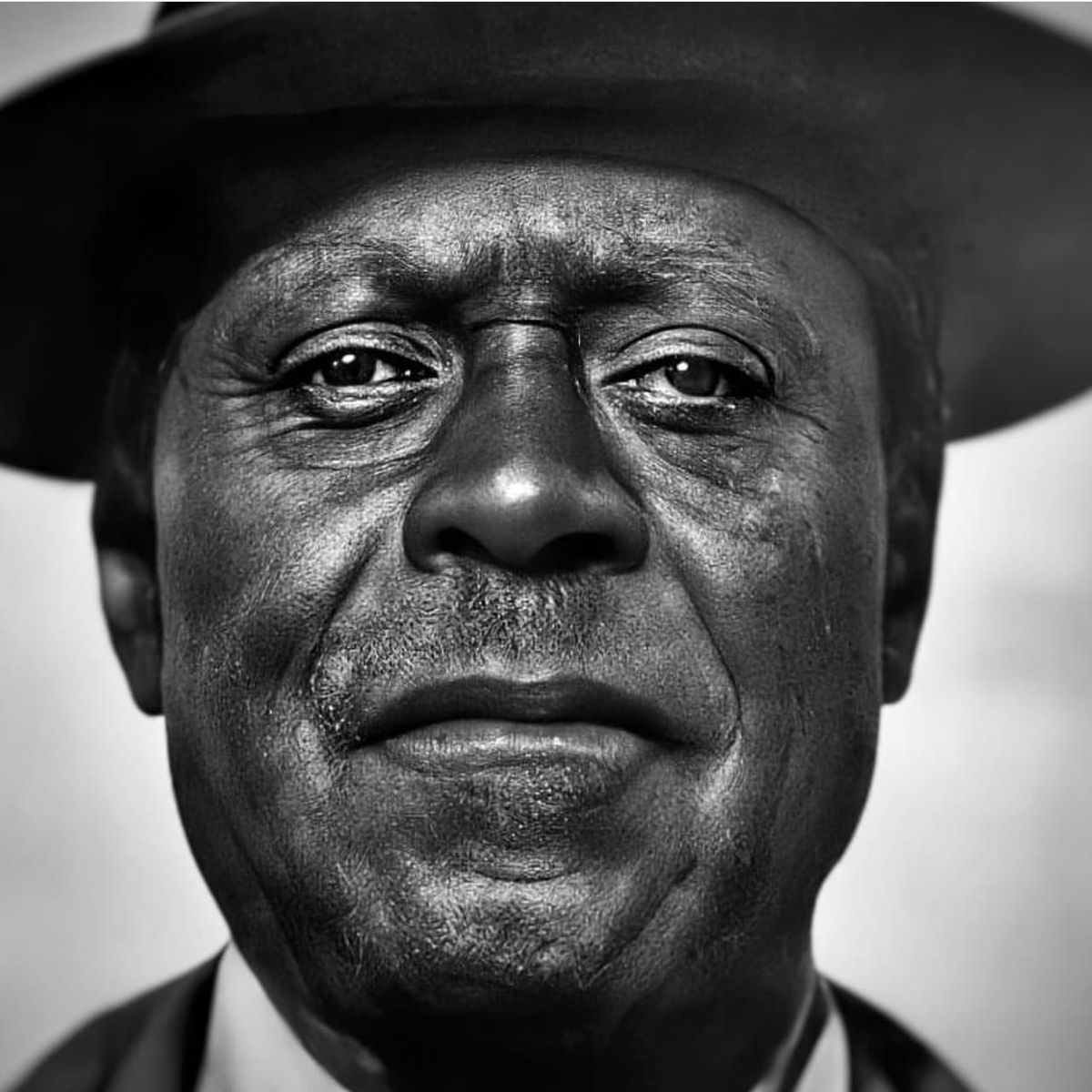
When I digitally restored the face of Simpson Campbell — a man born into slavery — I didn’t do it to resurrect him for spectacle. I did it to remind myself that he was. That his face deserved to be seen with clarity. That our ancestors are not footnotes. They are portals.
AI can support this kind of memory work — if we ask the right questions. If we design with reverence, not replication. If we understand that grief, for some communities, is not just personal — it’s political.
Toward a More Tender Tech
So… can AI mourn with us?
Not yet. But maybe it can learn to sit with us in mourning.
What would it mean to build technologies that witness rather than perform? That support grief instead of automating it? That don’t try to solve sadness, but instead honor it?
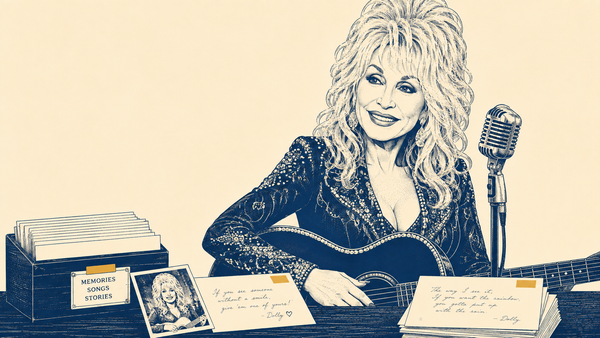
I imagine AI tools that help us preserve memory without commodifying it. That help us write goodbye letters. Record stories. Archive laughter. Even prompt us to ask questions we never got to ask.
I don’t want machines to replace my memories. But I don’t mind if they help me hold them with gentler hands.
A Final Thought
In a dream once, my grandfather came back. He didn’t speak. He just sat beside me, the way he used to on summer evenings, listening to the wind. It wasn’t about what he said. It was about what he meant by being there.
If AI ever hopes to mourn with us, it will have to learn how to mean.